
Thermal Grizzly Hydronaut Pro lands with a 100 percent silicone-free formula and strong anti pump-out resistance. It targets custom water cooling fans who want maximum durability and hardware protection-even if it costs more.
Leaks in high-end water-cooled PCs often start with a hidden problem. Silicone-based thermal pastes can react with the rubber O-rings that keep coolant inside. That chemical reaction can destroy seals. Hydronaut Pro from Thermal Grizzly aims to stop this risk for good. It does that by cutting silicone out completely.
Most thermal pastes use siloxanes. Hydronaut Pro does not. It uses a synthetic carrier fluid. This is not just a technical detail. It tackles the pump-out effect that ruins long-term builds. When heat cycles over and over, silicone oils can bleed out. That oil attacks EPDM or NBR rubber seals in custom loops. O-rings break down. A leak is just waiting to happen.
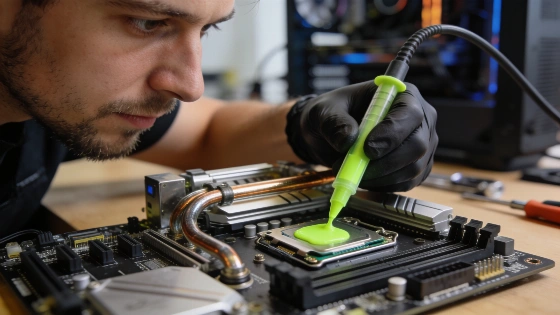
Hydronaut Pro is 100 percent silicone-free. That is rare. It is made for industrial systems and high-performance PCs where uptime matters. The paste is tacky and neon green. It does not sag or spread too soon. It sticks to itself and stays put. It is also electrically non-conductive. No risk of shorts during install.
EPDM rubber is widely described in materials references as suitable for water, steam and glycol service, while silicone rubber is not universally compatible with all fluids; this supports the article's broader point that seal material choice matters in liquid-cooling loops.
Prestazioni e test reali
Thermal Grizzly ran its own tests. The setup: AMD Ryzen 9 9950X, XPG Lancer RAM, ASRock Phantom Gaming X870 Nova WiFi motherboard, Ocypus L36 Sigma cooler, and ZOTAC SOLID RTX 5080 GPU. They ran two Cinebench R23 tests, each 20 minutes, at 25°C ambient. The numbers? Hydronaut Pro performed close to Duronaut Pro. But it brings the extra safety of a silicone-free mix.
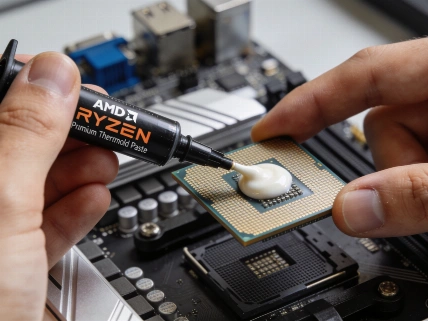
Application is simple. The kit includes a UV-shielded foil pouch, resealable pack, authenticity seal, and a full set of spatulas and applicators. The paste is less viscous than Duronaut Pro but still easy to control. For builders who want years of trouble-free use, this matters. No mess. No fuss. Just results.
Per chi è davvero Hydronaut Pro
This paste is not for bargain hunters. The price is $17.43 for 2 grams. That is more than the original Hydronaut and most other options. But custom water cooling fans get peace of mind. No oil bleeding. No chemical attacks on O-rings. No need to reapply paste every time you upgrade. If your PC is built to last, Hydronaut Pro is made for you.
For low-wattage CPUs or air-cooled rigs, it is hard to justify the cost. Cheaper pastes work fine there. Hydronaut Pro's special features will not matter. But for high-performance, long-running builds, the math changes. Reliability wins.
Packaging e disponibilità
Hydronaut Pro hit stores in June 2026. The box stands out: red and black, multi-language info, certificate of origin. Every detail says this is for pros and serious hobbyists. Not for casual upgraders.
Thermal Grizzly is following a bigger trend. Hardware buyers now want reliability and long life, not just top benchmark scores. We saw the same shift in our recent look at Apple's Mac mini M6. Durability and advanced features now come with a higher price.
Hydronaut Pro sends a clear message. If you want real protection for your custom water-cooled PC, you cannot cut corners on thermal paste. The price is high. So is the cost of a leak. In my view, Thermal Grizzly finally solves the long-term risks of water cooling. This formula puts hardware safety first. For builders who care about reliability, Hydronaut Pro sets the new bar.
EPDM rubber, used for most O-rings in liquid cooling, works well with water, steam, and glycol. But it can swell if exposed to many hydrocarbon fluids. That makes Hydronaut Pro's silicone-free formula even more important for mixed-material cooling systems. It lowers the risk of oil or lubricant getting into seals. This is a key reliability issue in industry guides. For more on EPDM compatibility, see the FSCI Chem technical overview.
Hydronaut Pro comes in 1 g, 3.9 g, 7.8 g, and 26 g packs. Specs: thermal resistance 0.0076 K/W, electrical conductivity 0 pS/m, viscosity 140-190 Pas, specific weight 2.6 g/cm³, and it works from -200°C to +350°C. These numbers make it fit for extreme overclocking and industrial use. It is built for thermal stability and material safety. For a full list of specs, check the Hydronaut product listing.