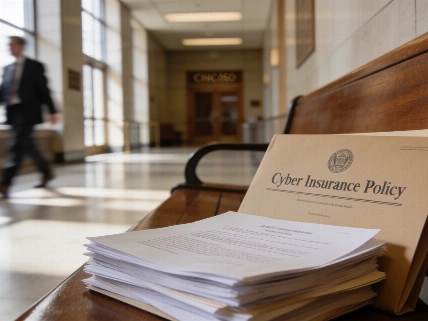

A suspected ransomware attack has hit several Stevens Point city devices. The breach triggered an urgent probe and raised new worries about digital security at city hall.
Late September 2026. Stevens Point's IT staff spotted trouble on the city's network. Some city computers showed signs of a ransomware attack. The team moved fast. They unplugged affected servers and cut off several endpoints. Emergency services kept running. Core city functions stayed online. The city's network design and response plan held up under pressure.
Immediate fallout and city response
Mayor Mike Wiza said about 1% of city devices-roughly 240 endpoints-were hit. The IT department called in help from the University of Wisconsin-Stevens Point and Wisconsin Emergency Management. Together, they started a full forensic sweep of city systems. Internet access for key services came back quickly. That kept city communications going. No evidence pointed to stolen data from residents or staff. Officials said there was no sign of confidential information being taken as of the latest update.
City leaders alerted state and federal agencies. That step followed public sector cyber rules. The city's actions matched the Agenzia per la Cybersicurezza Nazionale (ACN) playbook. ACN calls for fast containment, open reporting, and teamwork between agencies after a ransomware hit. Full recovery could take up to two weeks. Even a small breach can slow things down.
City staff believe the ransomware attempt was stopped at an early stage, before any files were encrypted or malicious payloads executed, highlighting the importance of rapid detection and isolation in municipal IT environments.
Ongoing investigation and limited information
Officials have not shared details about how the attackers got in. The city's quick isolation of infected devices and backup internet points to a layered defense. That likely means endpoint detection and network segmentation were in place. Ransomware groups keep targeting public sector networks. They often break in through old software or outdated firmware. Italian towns have faced the same risks. AGCOM and ACN have both warned public agencies to patch systems and use multi-factor authentication. The ACN guidelines for public sector cybersecurity lay out these steps in detail.
Context within broader ransomware threats
Stevens Point now joins a growing list of cities hit by ransomware. A recent analysis shows attackers use the same tricks again and again. Local governments need to act fast and stay ready. Delay can be costly.
Editorial perspective
This suspected breach shows that no city is too small for cyber threats. Stevens Point officials are still sorting out what happened. The city faces a tough job: win back trust now, and build stronger digital defenses for the future. For now, the risk remains. The investigation is not over.