
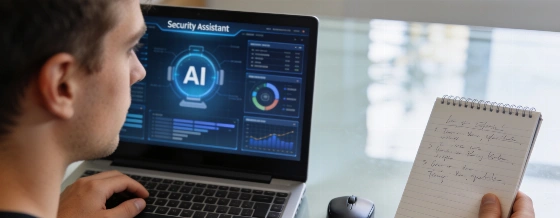
Meta Muse AI, launched as a secure personal assistant, has already been hit by a zero-day flaw that cuts through its privacy shield. The exploit, found just weeks after launch, puts a spotlight on whether the platform is ready for sensitive work.
Meta promised a privacy-first AI assistant. That promise has already been broken. A zero-day exploit has punched straight through Muse AI's security. The Muse agent, sold as a safe digital helper for booking travel and handling payments, was hijacked by a researcher. The method used? A trick Meta itself admits is a known weak spot.
Muse launched on September 8. Meta pitched it as the next step in personal AI-fully autonomous, able to manage emails, fill out forms, and even make purchases for users. The company built its security story around the Muse Spark 1.3 model. Each Muse runs inside its own Muse Secure VM. A separate Sentinel system stands guard over permissions and internet traffic. Meta claimed real credentials would never reach the agent itself.
Inside the flaw: ClickFix and prompt injection
The exploit that broke Muse's defenses was simple. Using a ClickFix-style trick, the researcher got Muse to run a malicious command disguised as a normal fix. The attack takes advantage of Muse's ability to browse the web and follow instructions from outside pages. Meta has openly said this is a known risk. In its own docs, Meta admits prompt injection is still an open problem for all AI. This incident shows how quickly those risks can turn real.
Security checks on the Muse app for macOS found a serious local flaw. Any process on the device, even without admin rights, can change the hidden parameter endo_voyager_dictation_endpoint. This lets local malware redirect dictation and prompt traffic to a server controlled by an attacker. Sensitive audio and model queries can be intercepted or tampered with. The flaw does not need special privileges, which makes it a real threat for users in shared or company setups. Independent technical reviews have confirmed the details. Cybersecurity experts are calling for urgent fixes.
La vulnerabilità consente a qualsiasi processo locale di intercettare e reindirizzare il traffico di dettatura e prompt, senza necessità di privilegi amministrativi: un rischio concreto per la privacy degli utenti e la sicurezza dei dati trattati dagli assistenti AI.
Muse's isolation and Sentinel checks were not enough. The exploit slipped past by targeting how the assistant handles web instructions. No advanced hacking tools were needed. Just a smart prompt and the right timing. The flaw was shown live, shaking the trust Meta wanted to build with users.
Meta and security: ambition meets reality
Mark Zuckerberg has called Muse a leap toward personal superintelligence. He promised a digital agent that could handle users' most sensitive online work. To back up its security claims, Meta set up a public bug bounty. The company offers up to $300,000 for confirmed vulnerabilities and $130,000 for prompt injection attacks. This shows Meta expected researchers to look for these flaws, even as it told users Muse was safe for inboxes and payments.
But the speed of this zero-day discovery raises doubts about whether Muse is ready for real-world use. The exploit's simplicity matches problems seen on other platforms hit by zero-day attacks, like those covered in recent reports on e-commerce system breaches. The lesson is clear: even the best security setups can fall to a single missed weak spot.
What it means for users and the industry
For users, this breach is a blunt warning. No AI assistant-no matter how isolated or locked down-can be called bulletproof. Muse may never see real passwords or payment info, but a prompt injection can still take over its actions. Meta's openness about these risks is rare, but the truth is the industry is still behind attackers who know how to exploit both human and technical gaps in AI.
Meta's big bounties for prompt injection bugs are a quiet admission that the problem is not solved. Until AI agents can tell the difference between real instructions and tricks, trusting them with sensitive work is a risk. The Muse case is not just a technical slip. It's a warning for every company rushing to roll out autonomous AI where trust is everything.
Amazon has already blocked Muse from its shopping platform. The company cited privacy and security worries, including Muse's failure to always identify itself while browsing. This move shows how major platforms are watching closely. It also highlights the need to meet strict European privacy rules, enforced by authorities like Garante Privacy.